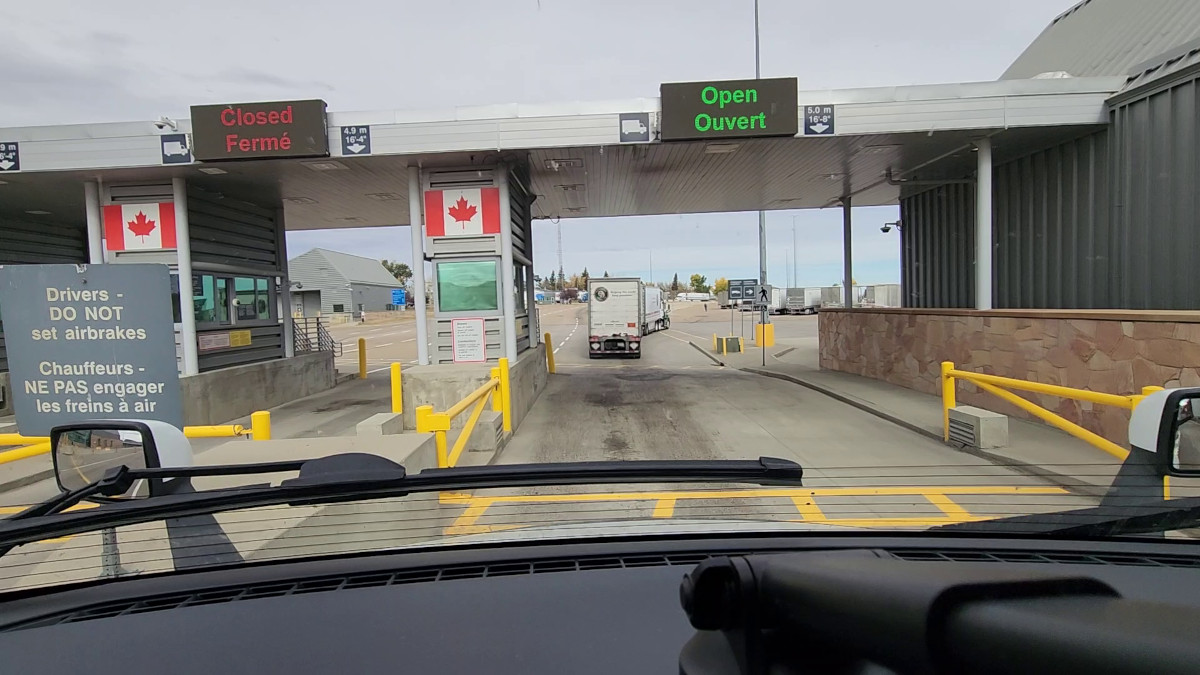
Deafening Silence
In the trucking industry, there are two names that carry more weight than almost any shipper or broker: RMIS and Carrier411.
If you’ve ever wondered why a broker suddenly went cold on a high-value load, or why your on-boarding application goes unanswered, the answer usually isn't a person. It's a machine decision. While you are focused on the road or your drivers, these systems are performing a 24/7 digital audit of your business.
If your digital infrastructure doesn't "handshake" with these detectives correctly, you are flagged, sidelined, and bypassed before you even pick up the phone to negotiate.
Carrier411: Your Digital Permanent Record
Carrier411 functions like a private investigator for brokers. It aggregates reports, flags, and historical data about carriers so brokers can quickly assess risk.
At its core, it is looking for consistency across the identity of your business:
The Address Match: Does your company address match across your FMCSA filing, insurance documents, and any public-facing website? Mismatches can signal a hijacked or misrepresented MC number.
The Communication Trail: Are you using a business domain email that matches your company name, or a free email service? A mismatch between your company identity and your contact method raises risk flags.
The Business Presence: Is there a legitimate website tied to your company name and MC number? Can a broker verify that your business exists beyond a government filing?
When these elements don’t line up, Carrier411 can contribute to a negative risk profile. That doesn’t always mean a formal “fail,” but it does mean hesitation. And hesitation is enough for a broker to move on to the next carrier.
If the machine sees these inconsistencies, it triggers a "Manual Review." In a fast-moving brokerage, "Manual Review" usually means "Move to the next carrier."
RMIS: The Compliance Gatekeeper
If Carrier411 is the investigator, RMIS (Registry Monitoring Insurance Services) is the bouncer at the door. To pull for a major broker, you have to pass through an RMIS-powered portal.
RMIS constantly monitors your carrier profile for compliance but also judges the professionalism of your digital footprint. It looks for signals that your business is real, consistent, and trustworthy:
The Handshake: Is your email a business domain instead of a free Gmail or Yahoo? Is your contact info consistent across FMCSA filings, your website, and public directories?
The Presence: Is your website live, accurate, and clearly tied to your company? Does it communicate who you are and how to reach you?
If these signals don’t line up, RMIS flags you. Flagged accounts get delayed, scrutinized, or skipped entirely by brokers.
The Reality of the "Machine Inspection"
Brokers don't have the time or the staff to "get to know" every one of the nearly one million carriers in the U.S. They have outsourced their trust to the algorithms inside RMIS and Carrier411.
Carrier411 is judging your Reputation and History.
RMIS is judging your Compliance and Infrastructure.
If your digital presence, your email, your domain, and your website code, isn't tuned to "talk" to these systems, you are effectively invisible to the brokers who pay the best rates. You could be the safest driver with the cleanest equipment in the state, but if a machine detective sees a "data mismatch" in your infrastructure, you’re treated like a ghost.
Taking Back the Steering Wheel
Your reputation is being judged by machines every single day, and many carriers are failing the exam they don't even realize they are taking.
Make sure your digital engine is ready for the inspection.
In my next post: We discuss the future where human eyes are no longer the primary target for websites.