The Assembly Line
There is a way the small business web is being built right now, and it is not how it should be.
Somewhere along the line, the goal stopped being to solve the client's problem and started being to satisfy the client just enough to move on to the next one. That shift looks small from the outside. From the inside it changes everything.
I have started calling it Shoehorn Mentality. The mindset that takes a small business and forces it into whatever platform the developer already knows how to use, regardless of whether that platform actually fits the business.
The retail shop does not need 50,000 square feet of building. The hauler with five trucks does not need a content management system designed for international publishers. The plumber who does forty jobs a month does not need a database with thirty plugins running on top of it. But that is what they get, because the developer already has the template ready to go and the platform installed and the workflow optimized for cranking out one more.
The platform comes first. The business gets crammed in afterward.
How The Assembly Line Works
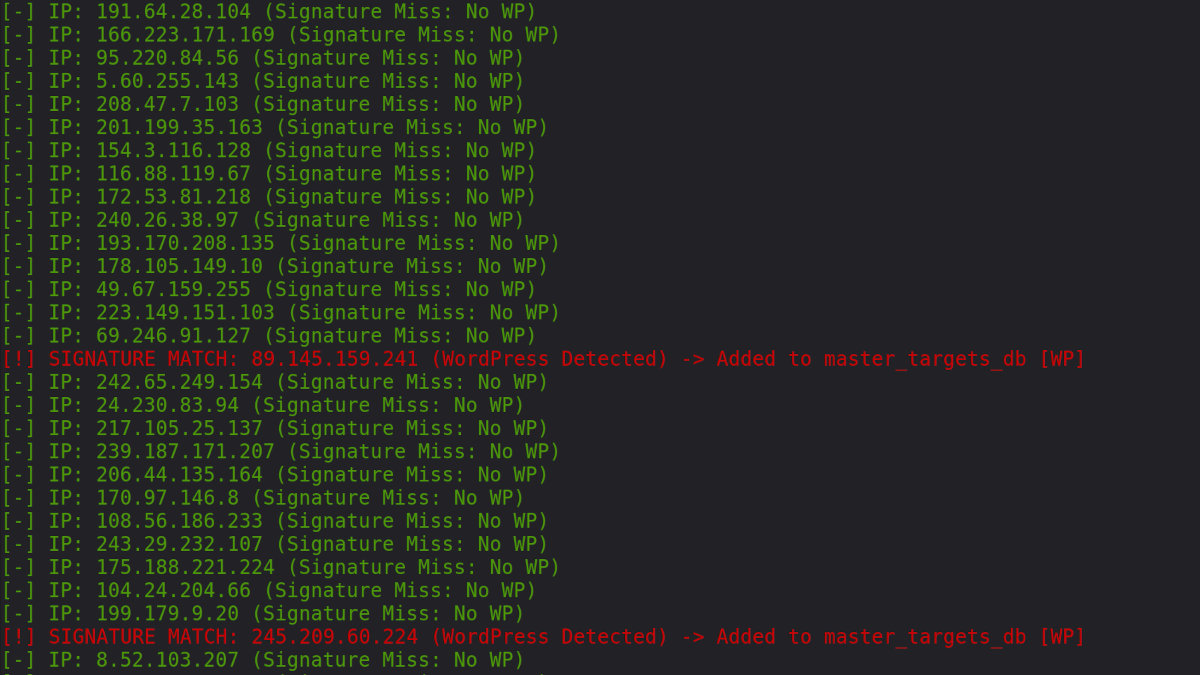
This is how a Vending Machine Developer runs a business. Pick an industry. Build one template that looks plausible for that industry. Then sell that same template to every client in that industry, swapping the logo and the contact information and maybe the photos.
Ten minutes per client. Three hundred dollars apiece. The site goes live, the invoice goes out, and the developer moves on to the next one before the client even has time to notice what they actually paid for.
It is a printing service dressed up as web development.
The first client gets the original work. Every client after that gets the photocopy with their name swapped in.
Why The Industry Tolerates This
Because it works at the business model level for the developer.
Custom work takes time. Time is the most expensive thing a developer has. Building a site from scratch for one specific business means understanding that business, designing around its operation, writing code that fits its real needs, and testing the result against its actual customers.
That is hours of work. Charge enough to make it worth doing and the small business owner balks at the price. Charge what the small business owner expects to pay and the developer cannot afford to do the work properly.
So the industry split into two camps. The agencies that charge enough to do real work and serve clients with real budgets. And the floor of the market, which figured out it could sell template work at template prices and process volume to make it worthwhile.
The small business owner ends up at the floor. Not because that is what they wanted. Because that is what they could afford. And the operators at the floor are not actually trying to solve their problem. They are trying to print.
The Client Cannot Tell
This is the part that makes the whole thing sustainable.
A small business owner who has never had a custom website cannot tell the difference between a site built specifically for their business and a template with their logo dropped in. Both load. Both have photos. Both have the company name at the top. From the outside, they look about the same.
The difference shows up later. The shoehorned site is slow because it carries code designed for businesses that have nothing to do with this one. It does not rank because the structure was built for whatever industry the template was originally written for. It breaks every time something on the platform updates because the dependencies were never matched to the business in the first place.
By the time the owner realizes the site is not working the way it should, the developer is long gone. The site stays. The maintenance cost stays. The lost customers from the slow load times and the bad search results stay. The developer never has to come back and own any of it because the next client is already paying.
The Mindset Behind It
The mentality goes deeper than just being lazy.
The developers running this assembly line have decided their job is to make the business fit the tool. Not to find the right tool for the business. Not to build the right thing for the business. Make the business fit, take the money, leave.
That is not a craft. That is not an industry that takes its work seriously. That is a printing operation hiding behind technical language and pretending it is doing something meaningful.
It does not matter that the technology exists to do better. It does not matter that custom code is faster, cheaper to maintain, more secure, and actually fits the business. The mentality has decided that the work is not worth doing and the client cannot tell the difference anyway.
The result is the floor of the small business web. Sites that nobody is proud of, built by people who never cared, sold to owners who deserved better.
What The Alternative Looks Like
The opposite of Shoehorn Mentality is starting with the business and building backward from there.
What does this business actually do? Who are its customers? How do those customers find businesses like this one? What does the site need to communicate, and what does it need to leave out? What is the absolute minimum amount of code that gets the job done?
Answer those questions first. Then build the site that fits the answers.
The result is a site that loads fast because it is not carrying code that does not apply. A site that ranks because the structure was built for this specific business and not borrowed from somewhere else. A site that does not break because there are no random plugins from random developers stacked on top of each other.
It costs more to build that way. It costs less to maintain. And it actually does what the business needs it to do.
The Way Out
The assembly line will keep running because it is profitable. Vending Machine Developers will keep printing $300 sites because there will always be small business owners who do not know there is anything better.
The way out is not waiting for the industry to fix itself. It is small business owners learning to recognize what they are actually buying when they pay for a website, and starting to expect more than a template with their logo on it.
That recognition has to come from somewhere. So I am going to keep writing about it. Not because the industry is going to listen. Because some of the small business owners reading this might.
If you have ever paid for a website and had no idea why it was not bringing in customers, the answer is probably not on your end. The answer is probably that you bought a piece of an assembly line and somebody convinced you it was custom work.
You deserved better.
You still do.