What is Authority Laundering?
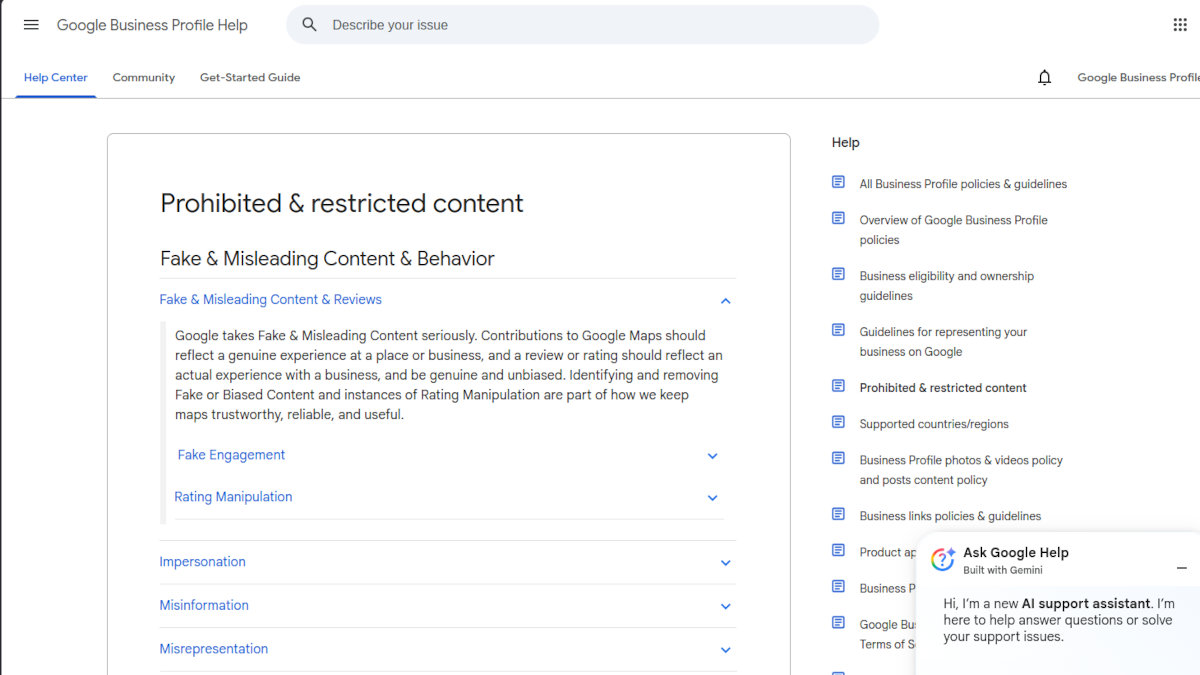
There is a specific kind of digital shell game happening right now that most business owners never see. The goal is simple. Get garbage content to rank by hiding it inside a trusted domain that Google is afraid to block.
The Mask of Legitimacy
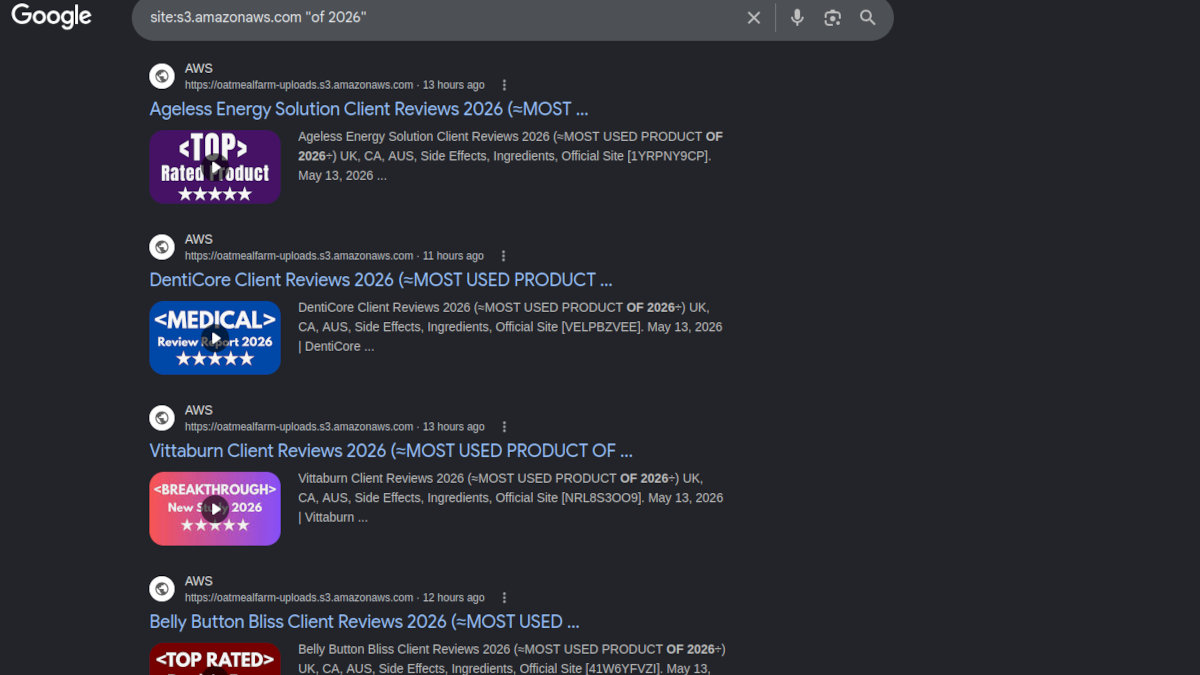
Google has a hierarchy of trust. At the top are powerhouse domains like docs.google.com, s3.amazonaws.com, and storage.googleapis.com.
Because these platforms host millions of legitimate files for real businesses, Google's algorithm gives them a massive amount of inherited authority. The logic is reasonable on the surface. If a file is on an Amazon S3 bucket or a public Google Doc, it is probably a professional resource hosted by a real organization.
Authority Launderers exploit that assumption.
How The Laundry Works
The pattern is simple and nearly invisible to the casual observer.
First, the operator generates the garbage. AI churns out thousands of pages of keyword-stuffed content, usually around high-competition niches like finance, supplements, or local lead generation. The content has no value to a real reader. It exists to capture a search query.
Second, they upload it to the cloud. Not to a normal website where the spam would be obvious. To a public HTML file on Amazon S3, or a public Google Doc, or a Google Drive folder set to public access.
Third, they use that clean URL to point back to whatever they are actually trying to rank. The affiliate site. The lead generation form. The scam landing page. The garbage content itself never has to look professional. It just has to live on a domain that Google trusts.
To the search engine, it looks like a high-authority document hosted on a major platform. To the user, it is a confusing page that serves as a bridge to whatever the operator is selling.
How This Is Different From Authority Hijacking
Authority Hijacking is fake claims about a relationship that never existed. Someone publishes a fake case study claiming they worked with your business when they did not.
Authority Laundering is the opposite direction. Real garbage content hidden behind borrowed authority. The operator is not lying about a relationship. They are using the credibility of a major platform to make their own spam look legitimate.
Both are exploitation patterns. Both depend on tricking machines and humans into trusting something they should not. But the mechanics are different and worth understanding separately.
Why This Is A Trap
This pattern is a Vending Machine tactic at its peak. High-volume, low-effort, and purely manipulative.
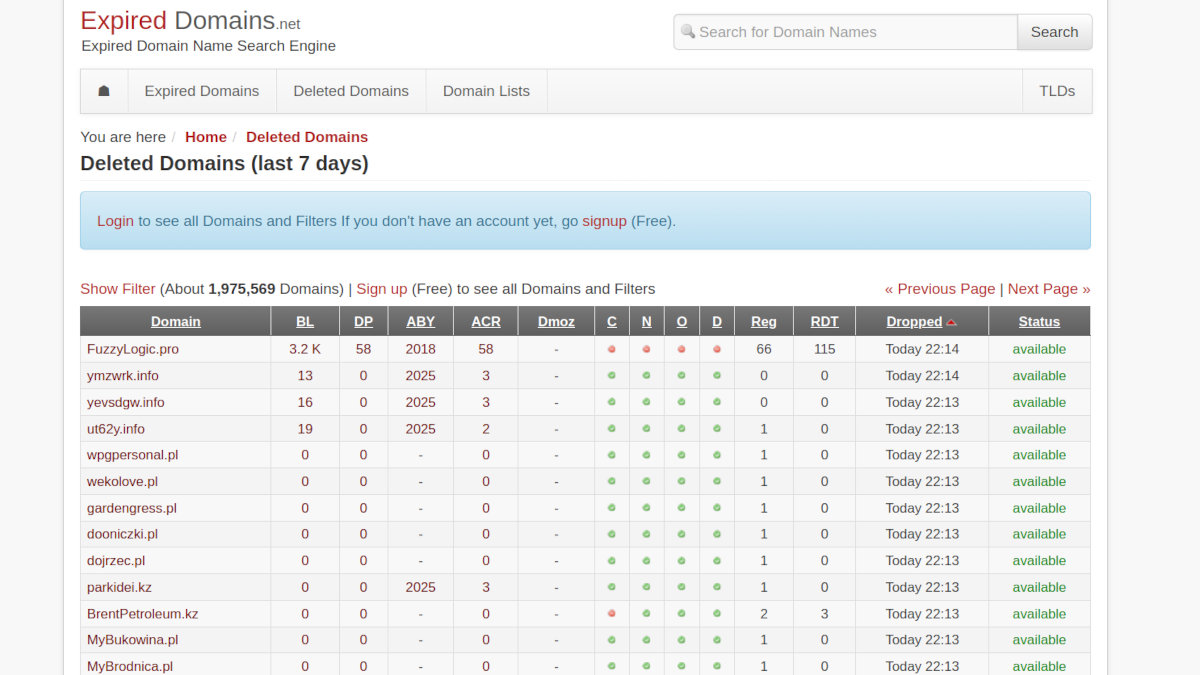
It is fragile. Google eventually catches these document farms and wipes them out. If a business name gets associated with laundered links during that window, the business looks like a co-conspirator in a spam operation when the cleanup happens.
It muddies the digital footprint. When a brand appears inside a random Amazon S3 bucket alongside thousands of other spam files, the clean signals from the legitimate site get drowned out. The footprint stops looking trustworthy.
It is a short-term scam. Developers who sell Cloud Authority or S3 Ranking Loops are selling a house built on someone else's land. When the landlord, meaning Google or Amazon, realizes what is happening, the house is demolished instantly. Whoever paid for that strategy loses everything that was built on top of it.
The Forensic Reality
Authority is earned, not laundered.
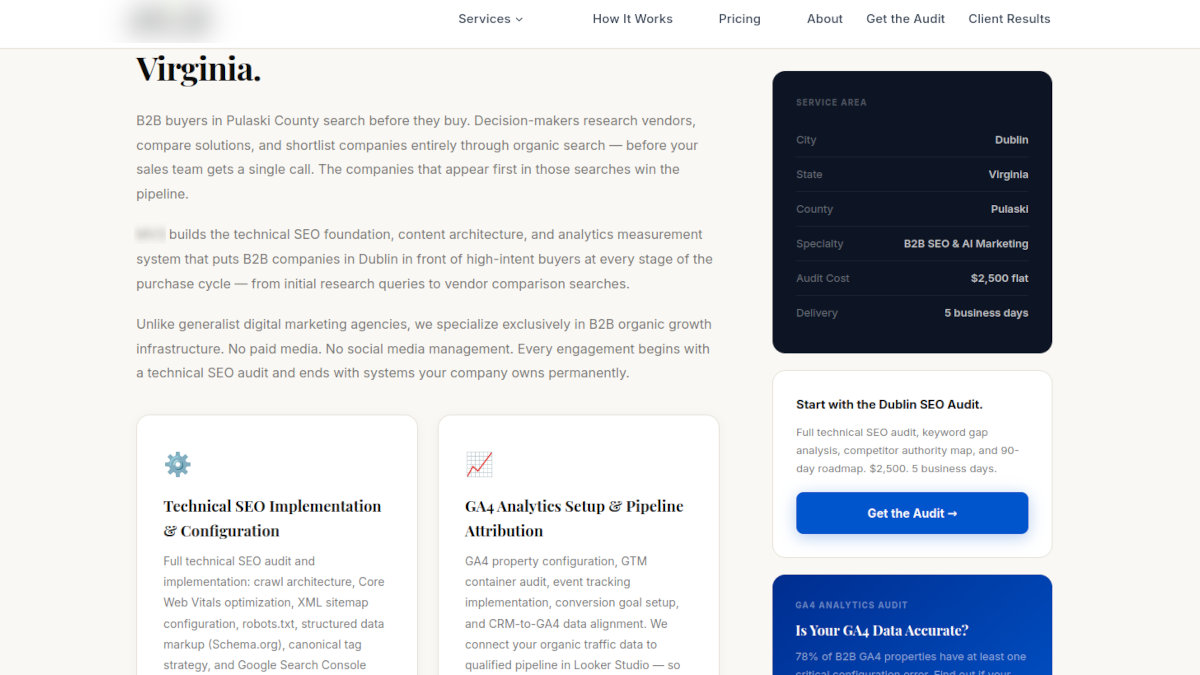
If a business name is appearing on random Google Docs or cloud storage URLs that the business did not create, the business is not getting free SEO. The business is being used as a variable in a laundering scheme.
A real Digital Foundation does not need to hide inside an Amazon S3 bucket to get noticed. It stands on its own domain, with its own code, and its own reputation.
If a developer is selling a strategy that relies on tricking the platform rather than serving the customer, it is not a strategy.
It is a liability waiting to collapse.