Two hundred five-star reviews overnight sounds like a dream.
It is a trap.
I understand the appeal. Reviews are one of the strongest local search signals Google uses to rank businesses. More reviews, higher average rating, better visibility. The logic seems straightforward. Buy the reviews, get the ranking, get the customers.
The logic is wrong and the math is about to get very expensive.
How Fake Review Networks Work
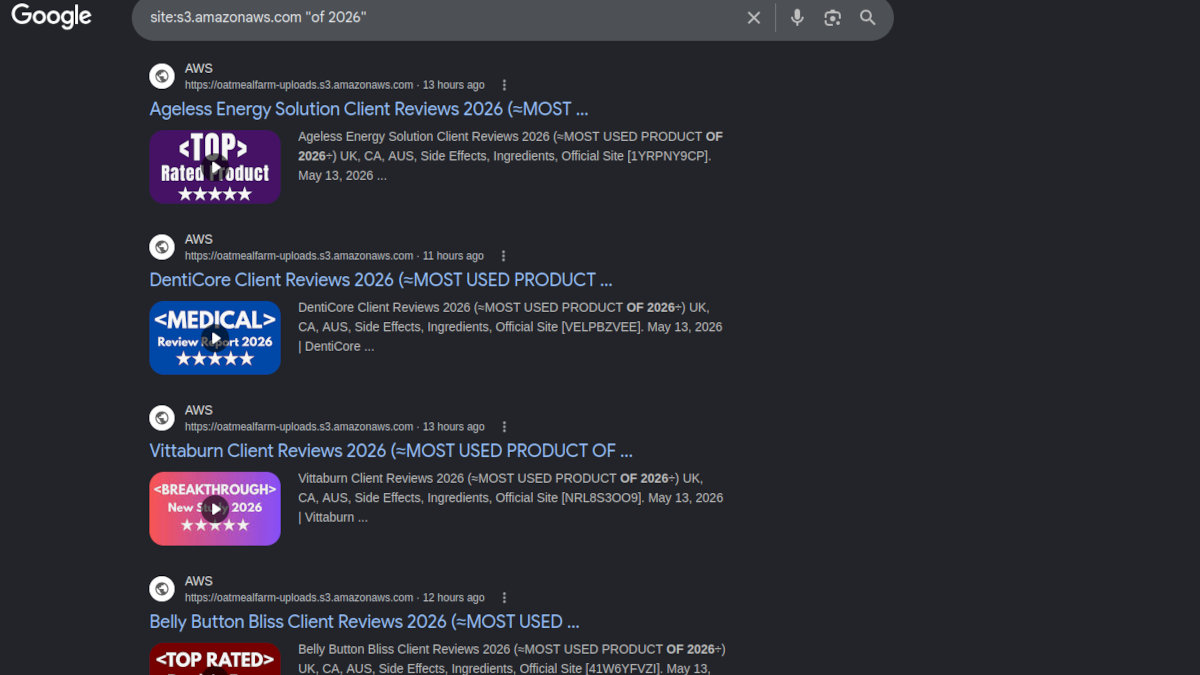
Fake review networks operate like any other content farm. Someone builds or rents a pool of Google accounts. Those accounts have varying histories, some older, some newer, some with a handful of reviews on other businesses to look more legitimate. The operator charges a fee, deploys the accounts, and floods the target business with five star reviews over a short window.
The business owner sees the number climb. The rating improves. For a brief moment everything looks like it is working.
Google sees something different.
What Google Actually Sees
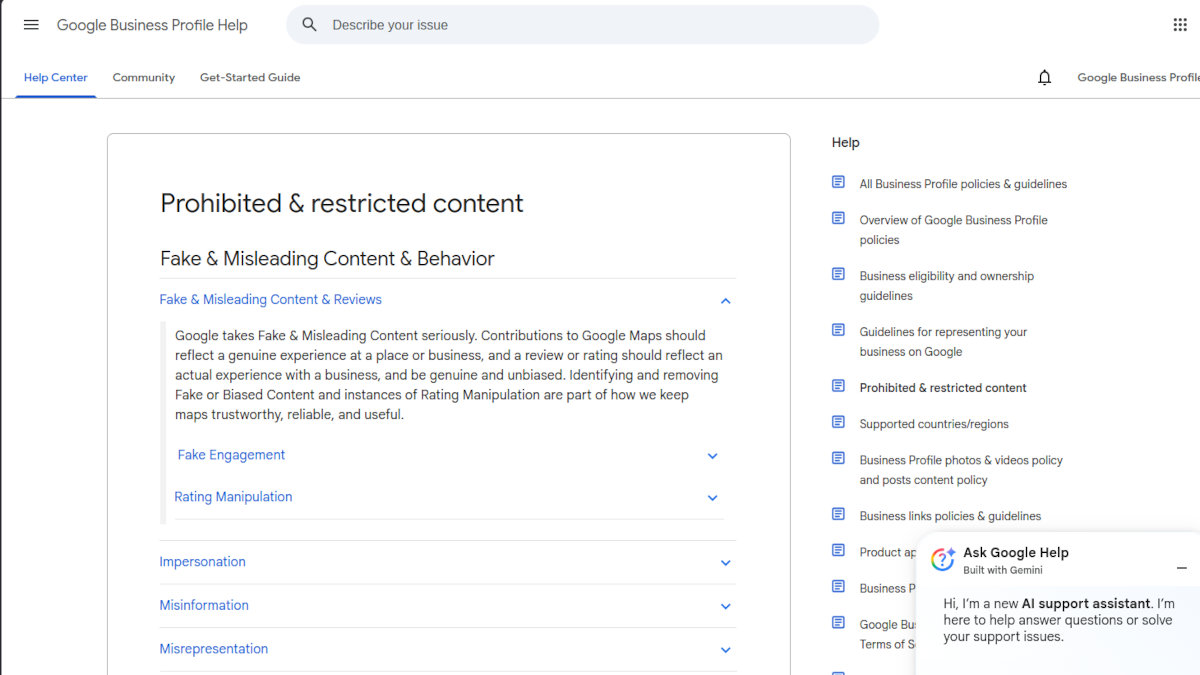
Google evaluates reviews with the same machine learning infrastructure it uses to detect every other spam pattern. Review velocity is one of the most obvious signals. A business that accumulated twelve reviews over three years and then receives two hundred reviews in forty eight hours has not suddenly become dramatically more popular. Something artificial happened and the algorithm knows it.
The reviewer account profiles are the second signal. Fake review accounts tend to follow patterns. New accounts with no photo, no profile completeness, and a single review on one business. Or older accounts that were purchased and show a sudden burst of activity after months of silence. Or accounts that all reviewed the same cluster of businesses in the same geographic area in the same week, which is the fingerprint of a review ring operating at scale.
The velocity and the account quality combine into a signal that SpamBrain is specifically trained to detect. It has seen this pattern millions of times.
The Consequences Are Not A Slap On The Wrist
Most business owners who buy fake reviews think the worst case scenario is that the reviews get removed. They imagine losing the fake reviews and going back to where they started. That is not what happens.
One of the most serious consequences is Google Business Profile suspension. If that happens, the entire profile disappears from Google Search and Google Maps. Not the fake reviews. The whole profile. The business becomes invisible to anyone searching for it locally until a reinstatement process plays out, which can take weeks and sometimes fails entirely.
The business does not go back to twelve reviews.
The business drops to zero visibility.
Even when suspension does not happen immediately, the profile gets flagged. Future reviews from real customers may be held for additional scrutiny or removed as part of ongoing monitoring. The trust signals that legitimate reviews were building get contaminated by association with the fake ones. The business ends up in a worse position than if it had never bought the reviews at all.
The Competitor Problem
In competitive local markets, business owners watch each other. A plumbing company that has been around for ten years and accumulated eighty reviews over that time notices when a competitor that opened six months ago suddenly has two hundred and fifty reviews.
Google provides a mechanism to report suspicious review activity. Competitors use it. They use it specifically and they use it effectively because the pattern is obvious to anyone paying attention. A manual report from a competitor often triggers a faster response than the automated detection because a human reviewer looks at the account and confirms what the algorithm suspected.
You paid for two hundred reviews and handed your competitor a weapon.
The Fundamental Problem With The Math
Two hundred fake reviews do not make your business better. They do not generate real customers. The person who finds your business because of the inflated rating arrives with expectations shaped by two hundred five star reviews. The actual experience of the business has not changed because the reviews changed. The gap between the rating and the reality creates its own problem over time.
Real customers who have a mediocre experience and see two hundred five star reviews feel misled. Their response is a one star review explaining exactly that. The fake review boost becomes a magnet for genuine negative reviews from customers who feel deceived by the rating they trusted.
The rating that was supposed to attract customers starts driving them away.
What Actually Works
Real reviews from real customers accumulate slowly and they accumulate honestly. A business with forty genuine reviews from real customers over two years has something a business with two hundred fake reviews does not have. Credibility that holds up to scrutiny.
Asking every real customer for a review is the entire strategy. Not an automation, not a network, not a service. Just asking. Most customers who had a good experience will leave a review if someone they just worked with asks them directly.
It is slower. It is less dramatic. It does not produce a dashboard with green arrows.
It also does not get your Google Business Profile suspended on a Tuesday morning when you were not expecting it.
Fake reviews try to manufacture trust.
Trust is one of the few things you cannot manufacture.
You earn it one customer at a time.
---
Sources
URGENT: Second Wave of Google Account Restrictions Just Hit — May 4, 2026 - Archive
Profile & Website Suspended Because Of Fake Reviews? - Archive