10,000 pages later. And none of them actually help your business.
I am watching this happen online. Businesses hiring AI content mills to generate thousands of pages of content hoping Google will eventually rank them for something. The math seems to work on paper. More pages means more keywords means more ranking opportunities. Quantity becomes the strategy.
It never works. And when it stops working, the damage is expensive.
How Content Mills Actually Work
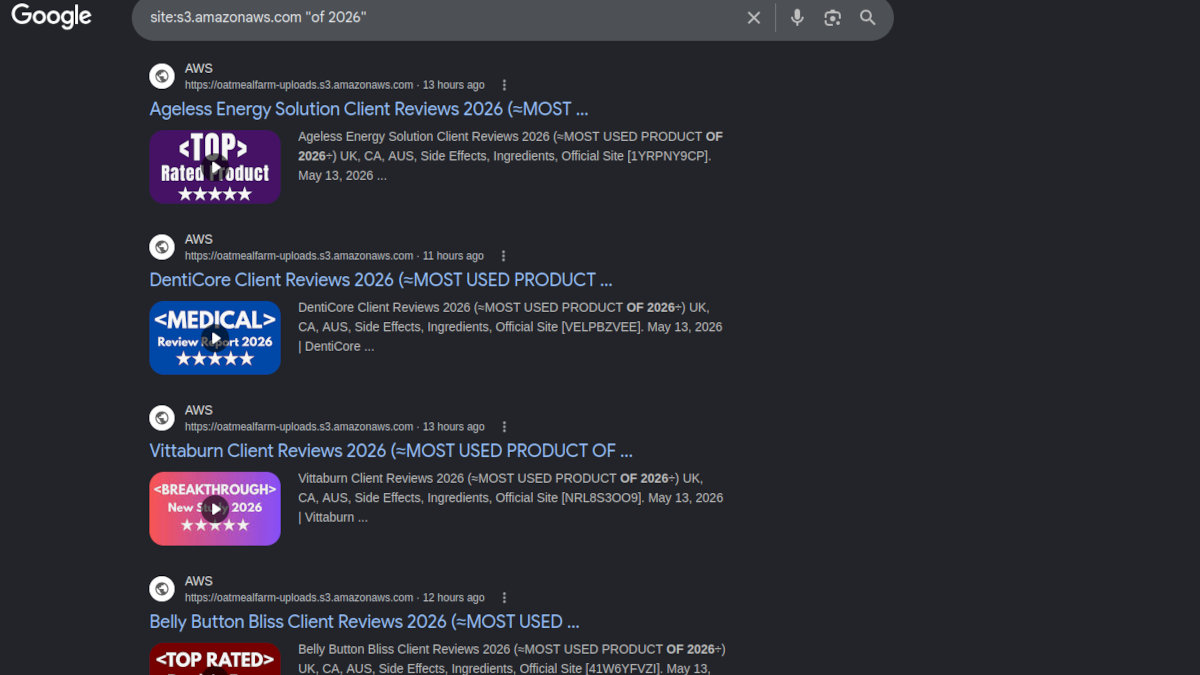
A content mill is simple. A business pays someone to use AI to generate hundreds or thousands of pages of content at a time. The content is written by an AI model, not a person. It is optimized for keywords, not for being useful to anyone reading it.
The pages go live. The business waits for traffic. And it keeps waiting because nobody is actually reading any of it.
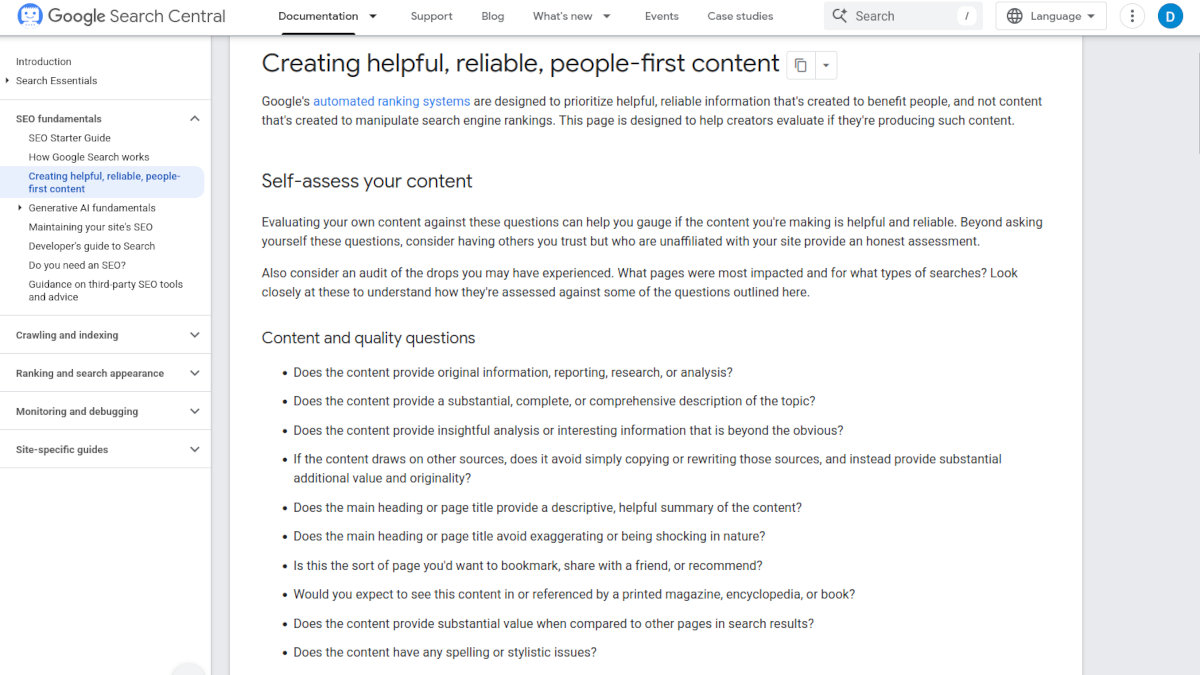
Google's goal is to surface content that helps people. Content created primarily to manipulate rankings has to survive a system designed to identify exactly that behavior. AI generated pages designed purely for keyword optimization have none of those properties. They do not get linked. They do not get shared. They do not keep people on the page. They get indexed and then ignored.
The business that paid for all 10,000 pages just funded a monument to wasted money.
Why AI Content Mills Are Tempting
The pitch sounds good. For a few thousand dollars you can have thousands of pages optimized for keywords, all live within weeks. The cost per page is cheap. The speed is fast. The promise is that volume will eventually overcome quality.
It works until Google actually reads what was generated and determines the pages are not helping anyone. Then it does not work. Rankings drop. Traffic disappears. The business is left with thousands of pages that serve no purpose and generate no revenue.
The business owner expected to pay once for content that would generate value forever. What they actually did was pay once to damage their own domain.
What AI Is Actually Good For
This article was written with AI assistance. I used it as a thinking partner. To organize ideas. To pressure test arguments. To catch gaps in reasoning. To help me write faster and more clearly.
I did not use AI to replace thinking. I used it to do more of it. I use it to help me create a couple of articles a week, not thousands a day.
That is a completely different thing than a content mill using AI to generate thousands of pages without any human judgment about whether they are actually useful.
AI as a tool in the hands of someone who knows what they are doing is powerful. AI as a replacement for knowing what you are doing is a trap. The difference is whether the AI output is reviewed, refined, and held accountable to actual human standards before it goes live.
A content mill does not do that review.
That is how they keep costs down.
The Cost Of Trying To Game The System
Google has spent twenty years building systems to identify content that was created for ranking rather than for helping people. They are getting better at it, not worse.
A website with 10,000 AI generated pages is not subtle. Google identifies those sites quickly. The response is not to reward them. It is to penalize them. Rankings drop. Visibility disappears. The business that thought they were gaming the system finds out the system was watching.
Then the business owner has to choose. Pay someone to delete thousands of pages and rebuild from scratch. Or live with a penalized domain that will take years to recover.
Either way they are paying the price for trying to game the system.
What Actually Works
Creating a proper Digital Foundation takes real content created by real people who understand the business and can explain why their solution matters. Content that answers questions people are actually asking. Content that gets linked because it actually helps someone. Content that generates conversions because it demonstrates expertise and builds trust.
That takes time.
It takes effort.
It does not scale the way a content mill scales.
But it works.
A business with 100 pages of real, useful content ranks higher and converts better than a business with 10,000 pages of AI garbage. Every single time.
The Trap
The AI content mill trap is that it feels like a shortcut. Pay money, get pages, wait for rankings. The reality is that it is not a shortcut. It is a detour that costs time and money and leaves you worse off than when you started.
Google needs to do more to identify and penalize these sites. But until they do, the burden falls on business owners to understand what they are buying. If someone is offering thousands of pages of AI generated content at a cheap price and a fast timeline, they are offering to damage your domain in exchange for cash.
That is not SEO.
That is a scam with a technical explanation.